
 Live Radio
So if you want to do something about the climate emergency, the thinking goes, you can’t just focus on things like reducing greenhouse gas emissions and preparing for disasters. You need to address long-standing social and economic inequities at the same time.
Climate justice is the big idea behind the Green New Deal — the resolution that Representative Alexandria Ocasio-Cortez first introduced with Senator Ed Markey in 2019 and re-introduced in April of 2021.
Congress hasn’t formally adopted the Green New Deal, but many local governments around the country have gone ahead and passed their own versions. Ithaca is one of them. And it’s brought in a man with a global vision to lead the charge. Veteran public radio reporter — and long-time Ithaca resident — Jonathan Miller takes us there.
On this episode of Living Downstream, Texas Public Radio’s Yvette Benavides takes us to Central and South Texas where summer days are frequently in the upper 90’s, but where in many low income neighborhoods the mercury climbs even higher.
And with climate change, these areas will be experiencing more extreme temperatures, more frequently and for longer durations.
New research shows how these hotter temperatures are taking a toll on the people who live in some city neighborhoods — typically in communities of color. The heat is affecting their bodies and minds — effectively shortening their lives.
We'll be hearing from some Spanish-speaking residents as they explain how they coexist with the heat. Yvette will translate, but we’ll make room for these Texans to have their voices heard in their own language.
What's the connection between longstanding racism in our cities and the built environment there? What can be done to reverse what the EPA and many researchers call “the Urban Heat Island Effect”? The answers will demand that we untangle a complex web of issues, reject some of our prejudices and think creatively. That’s essential if we want to save lives and come to grips with the changing planet and our place in the community of people inhabiting it. Yvette Benavides reports.
Read more: Degrees of Injustice: The Social Inequity of Urban Heat Islands
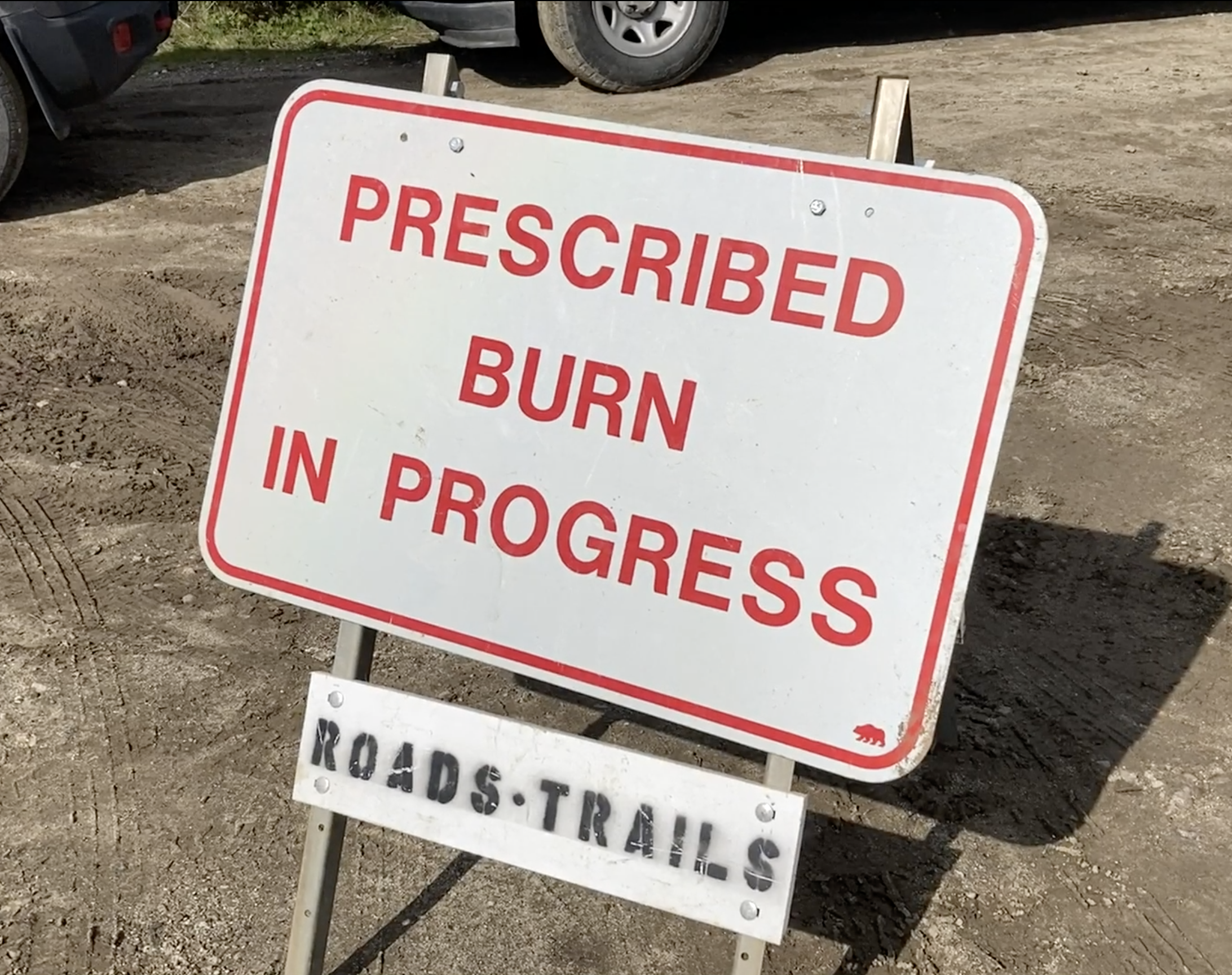 Amah Mutsun Tribal Chair Val Lopez and CSU Chico's Don Hankins explain the vital potential that controlled burning has, both in terms of the health of California's wildlands and its indigenous people. When people think of California Indian culture and cultural resources, they often look at tangible objects such as basketry, housing, clothing, food, and dance regalia such as feathers, whistles, skins, clapper sticks, etc. These are all important manifestations of Mutsun culture, but it is important to place these remarkable people in the present and not relegate them to the past.
For more information about the tribe:
http://amahmutsun.org
Watch the video here:
https://norcalpublicmedia.org/video/natural-heroes/bab504short4mutson
On this episode of Living Downstream: The Environmental Justice Podcast, Victoria Bouloubasis visits a rural county where the multicultural workforce kept America fed during the pandemic. We'll meet Esmeralda, who has become a community health worker, and her mother Marta, who works in a poultry plant.
In the face of blatant mistreatment and inadequate protection, food factory workers in North Carolina became sick, and died, in unacceptably high numbers. This mother-daughter team stepped up to protect the health of their neighbors and coworkers, efforts they continue today.
Read more: Chicken Country, North Carolina: Justice on the Factory Floor
