
 Live Radio
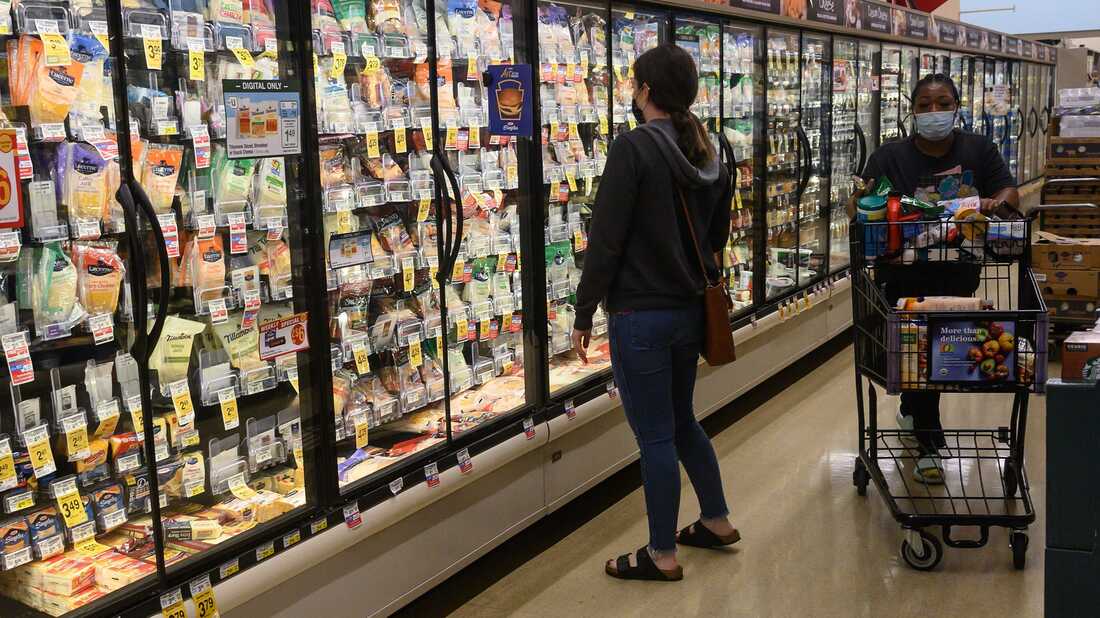
People shop in a supermarket in Washington, DC, on May 26, 2022, as Americans brace for summer sticker shock as inflation continues to grow. AFP via Getty Images hide caption
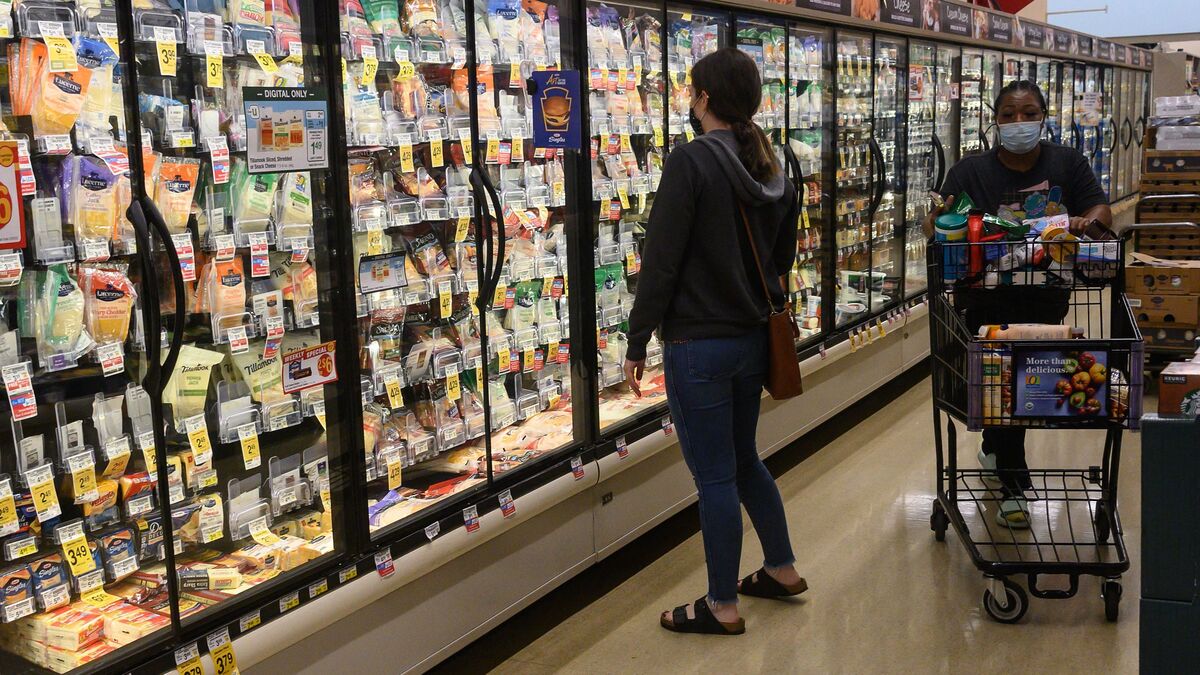
People shop in a supermarket in Washington, DC, on May 26, 2022, as Americans brace for summer sticker shock as inflation continues to grow.
AFP via Getty ImagesThis is a fragile moment for the U.S. economy. Many people are feeling the steep rise of the cost of gas and groceries, and some are having to decide whether to buy food or fill up their tanks. Food banks and local non-profits are seeing more people than ever. And experts worry that the Federal Reserve's efforts to combat inflation by raising interest rates could tip the economy into recession.
NPR's Scott Horsley covers the big-picture economy, Chris Arnold covers housing and Brittany Cronin covers energy. They explain what sectors are feeling the most impact and how it's playing out for different people.
Email us at
This episode was produced by Mallory Yu. It was edited by Ashley Brown, Pallavi Gogoi and Uri Berliner. Our executive producer is Cara Tallo.
